
IN CONVERSATION WITH ROHAN CAMPBELL
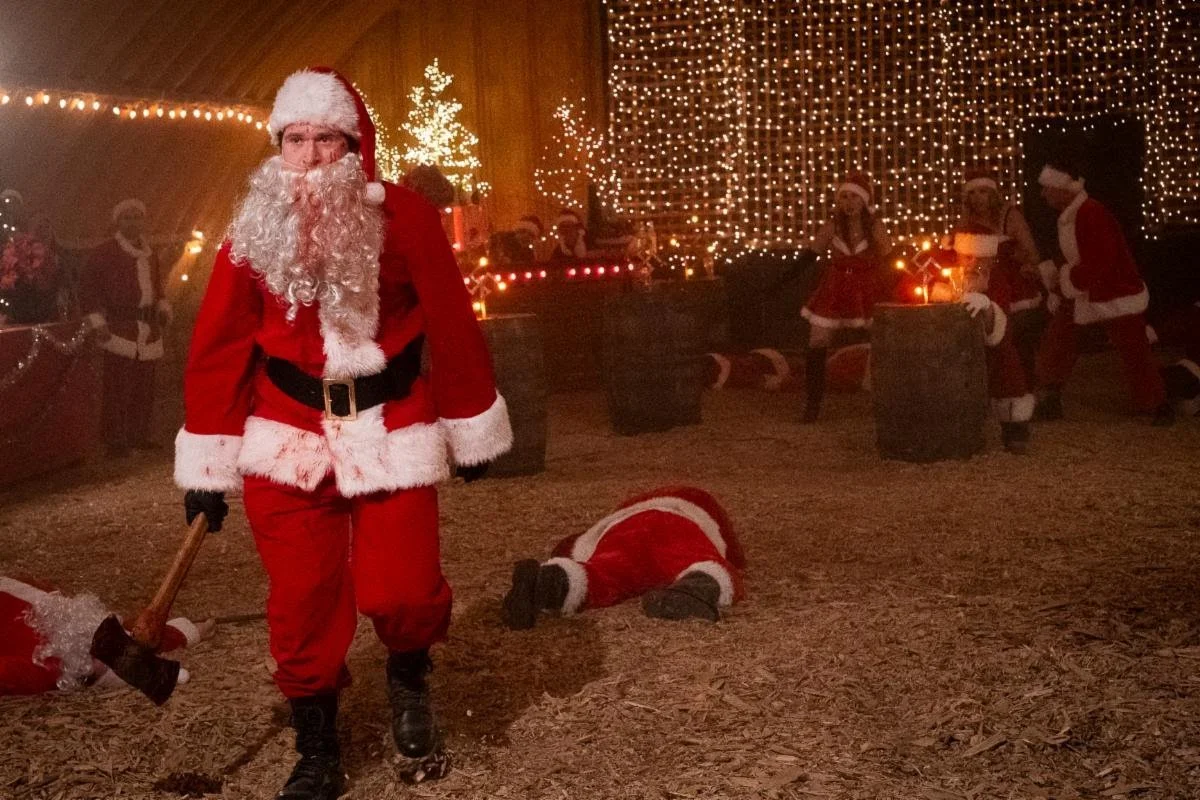
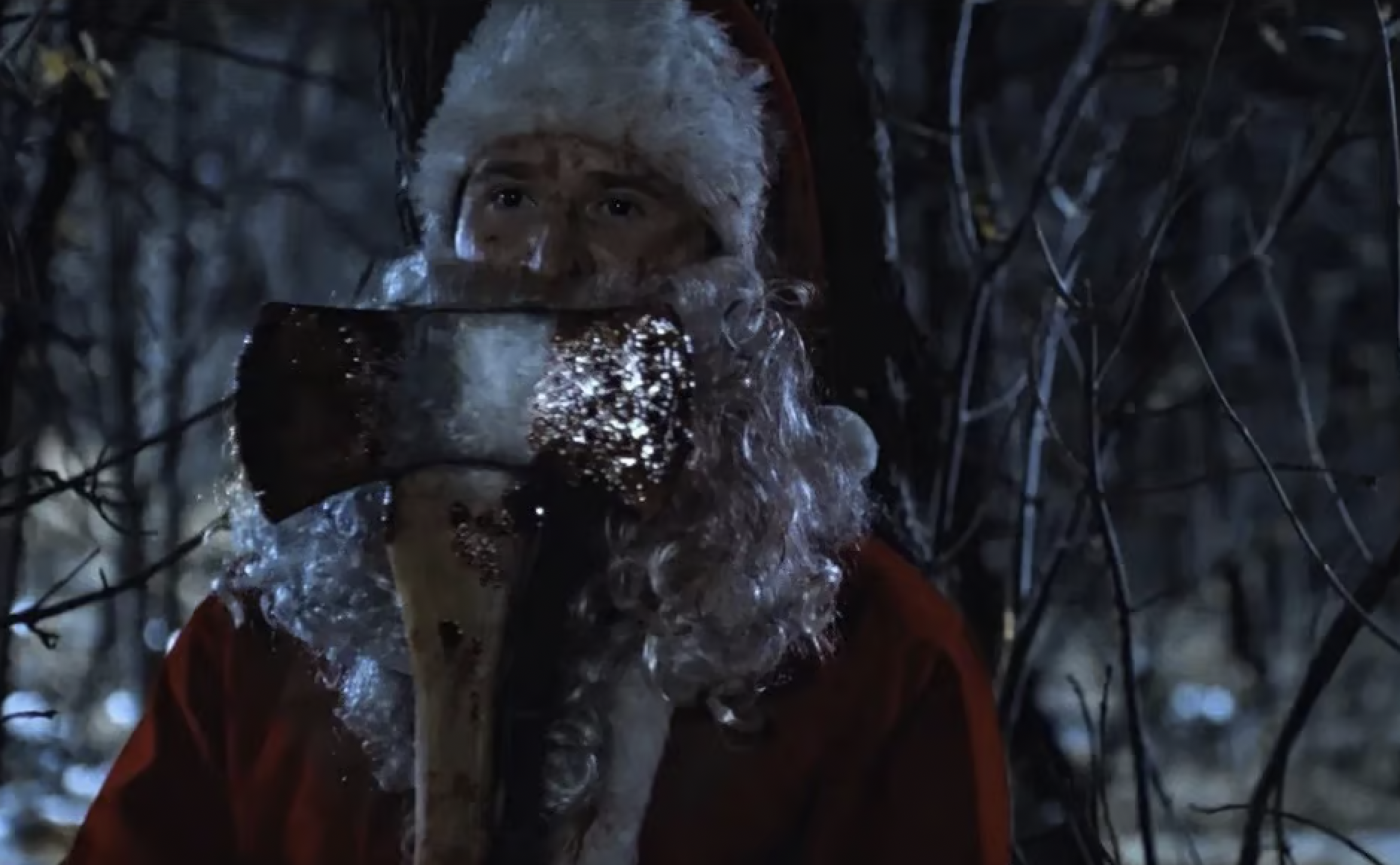
In 1984, director Charles E. Sellier offended the British censors and the sensibilities of Conservative Britain with SILENT NIGHT, DEADLY NIGHT's murderous, axe-wielding Santa Claus. The film was, of course, banned, but that didn't stop it from going on to earn itself a cult following and position itself as a quintessential Christmas horror movie. Horror has always enjoyed being irreverent, and now, director Mike P. Nelson, with Rohan Campbell in the lead role of Billy Chapman, who dresses up as Santa and unleashes his vengeful wrath, takes a stab at subverting the innocence of the festive season with their bloody remake.
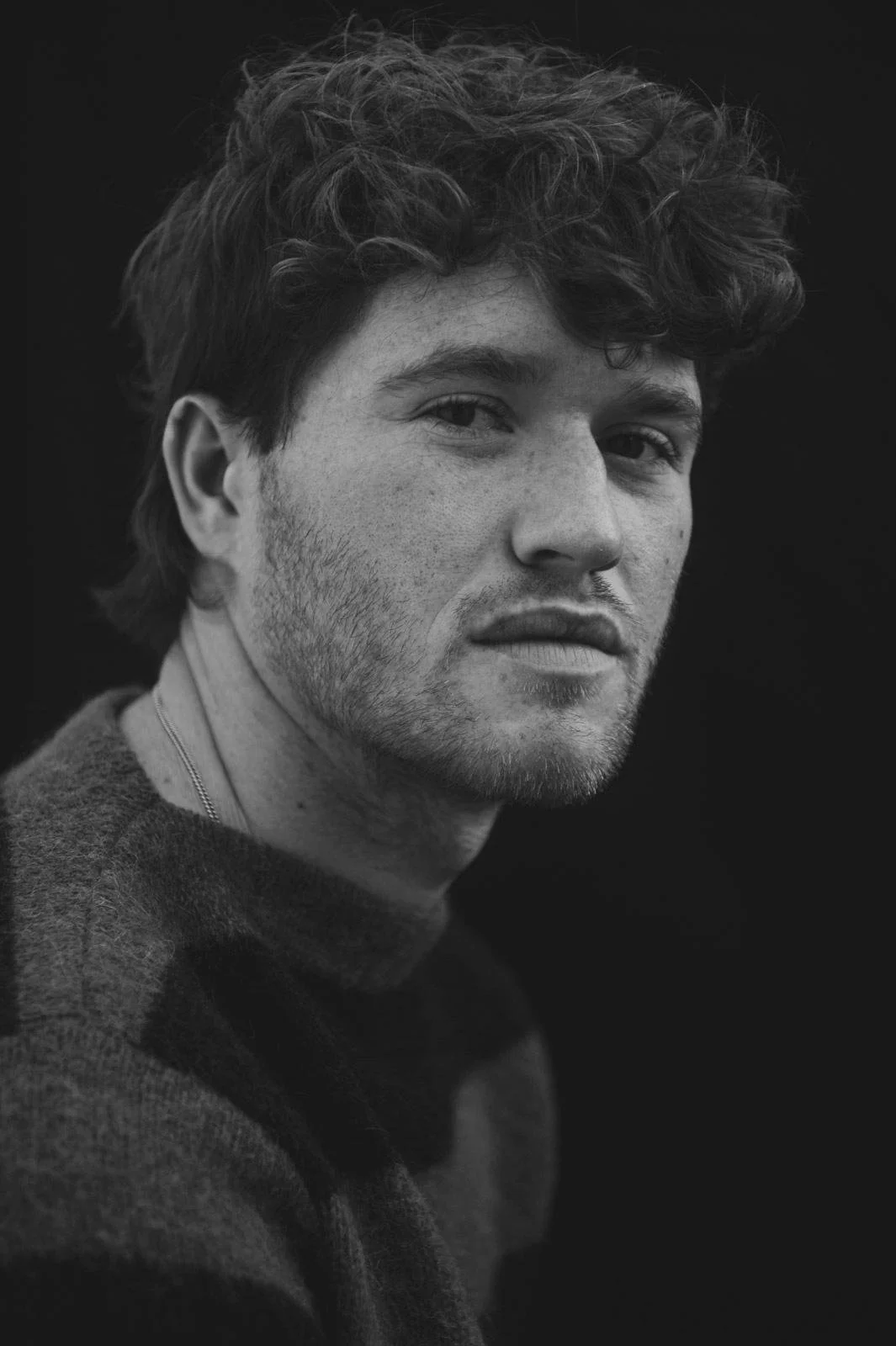
Campbell has played Corey Cunningham in HALLOWEEN ENDS, Ricky in THE MONKEY and Henry Violence in the Canadian horror thriller VIOLENCE, about a punk rocker who is caught between two feuding cartels. He has also appeared in the television series SUPERNATURAL and the post-apocalyptic THE 100 and SNOWPIERCER. In conversation with Gore in the Store, Campbell discussed the surprises and the shocks of filmmaking, his appreciation of the underground space, the debt cinema owes to the horror genre and leaving a part of himself behind.
GORE IN THE STORE - Why acting as a means of creative expression? Was there an inspirational or defining moment for you personally?
ROHAN CAMPBELL - I feel like it was the progressive amount of lying and storytelling I did as a kid, matched with a wave of energy that refused to burn out. And my mom very intelligently said, "You should throw him in an acting class, so he has got a safe place to lie all the time.
I started an acting class when I was eight or nine years old. We didn't watch a ton of movies in the house, and so, it wasn't until I was twelve or thirteen that movies came into my life and I realised, 'Oh, maybe this is what I want to do.' So, for a while it was just acting class — that's how it started.
It's said that everyone has a story, but not everyone has the opportunity to be a storyteller. Could you have imagined playing the various parts you have, putting on these different masks and exploring sides of yourself and human nature in a way you'd otherwise never have been able to?
RC - Yeah, I think about that all the time. Mostly, I just think about how lucky I am to do the job. It's always a surprise when 130 people show up in a field at five in the morning to shoot a movie. The most exciting part for me is how communal it is and how crazy all of us really are as a group of storytellers. And the cool thing is that everything that goes into building a story, sees every person's dream to tell one come together at that moment. That always surprises me.
I feel like I've had the chance to explore complicated characters and have a lot of fun doing it. I really like doing these slashers and theatrical movies, because a big reason why I got into storytelling was to entertain people. That's just a big part of who I am, and so, I am always grateful that I've had a chance to be in these entertainment movies and to be able to be in theatre. It's crazy, and I'm super grateful and surprised every time someone asks me to do it.
Comedy and horror are two genres that need to elicit a reaction from the audience, which is an important means of gauging their success. Is this visceral reaction one of the reasons why you might like doing slashers?
RC - Yeah, that's a big part of it. The weirdest thing about making movies is you don't get that reaction until a year later. So, you're building the theatrical experience blindly and that's interesting in itself.
From the perspective of why I'm interested in slasher and horror films, a big part of me feels like that's where punk rock is. We've gotten so many actors and filmmakers out of the genre that are unique cats. There's a place here for voices and for weird people, whatever that means. This genre is where I found myself finding movies that I didn't know you could make. You can watch TEXAS CHAINSAW MASSACRE, and yes, it's a disturbing, chaotic, violent movie, but the feeling and the way it's shot has informed dramas and comedies, and a bunch of other stuff. So that is where I fell in love with the genre, as far as these modern-day slashers go. If the goal is to get a group of people together to sit in a theatre and have a communal experience, then these are the movies that have the opportunity to do that. And I feel honoured and excited to be a part of it.
Horror still tends to be looked down on as this tawdry genre, despite its popularity. The industry recognises its monetary value, finding future stars and notable filmmaking talent. It feels like there's a dysfunctional relationship between various quarters of society and horror.
RC - I agree, but I have such a weird perspective that I'm like, keep it underground and let it be its own thing. What really makes me laugh about that perspective is when you look at the theatrical releases of the past five years, the movies that people want to go see are these movies. It's so funny to watch the industry latch onto them as these tent poles of their release schedule, and then, to meet people that are like, "Oh, horror, I don't know." It's such a funny thing because it's this huge community, and I've never really understood devaluing the genre. It has gone over my head because, for me, it's such a creative space, and it has informed a lot of movies that people love, like the Steadicam in John Carpenter's Halloween. These are things that have informed movie making, and a lot of good things in the human experience come out of the underground, out of the sewers. And if that's where they want to keep it, I say, "Hell yeah, dude, why not?" People are still going to these films, and it means a lot to them. And anything that's polarised means a lot to me, so, it's cool.
It's not always necessary to be in the spotlight. There's genuine value to the underground, which has historically shown the ability to give films cult status. The underground is also a valuable space to explore the idea of what cinema is and can be. It's where you can really experiment, outside the spotlight, where the business is too hands-on.
RC - I think about this a lot because the movie going experience has changed, where a lot of people will go and see the big movie that the PR machine has told them to go see, or is big on TikTok or Instagram. They're all good things, but the audience going experience has turned into, "I'm going to go see this movie, and it needs to prove to me that it's good", versus the audience going experience years ago when the cult classics were coming out. Back then, it was, "I'm going to the theatre on Friday. I don't know what I'm going to see, but I'm going in with the hopes of liking it. And I'm going to sit forward in my seat and pay attention, feel joy, feel fear or whatever it is." But if we all go to the theatre having previously been told how it's going to make us feel, then you have this wall of, "Well, you better really access me." That's one of the worst places to be to go see a movie. So, to your point, if it's underground, if it's punk rock, or it's one of these things that people get to go have their own experience with, that they talk about, and it feels personal, then that's invaluable. And that's the way we should be watching movies.
How familiar with the original SILENT NIGHT, DEADLY NIGHT were you, and what do you think this new version brings to it?
RC - The original film I saw at Quentin Tarantino's theatre in Los Angeles called The New Beverly. It was a midnight screening, and it was packed. If you haven't had the experience of seeing the original with an audience, it's one of the most fun experiences. People stand up, cheer, scream, and yell. There's stuff in that movie that doesn't make the cut with what's appropriate in today's age. So, it's interesting to watch people have to sit through that.
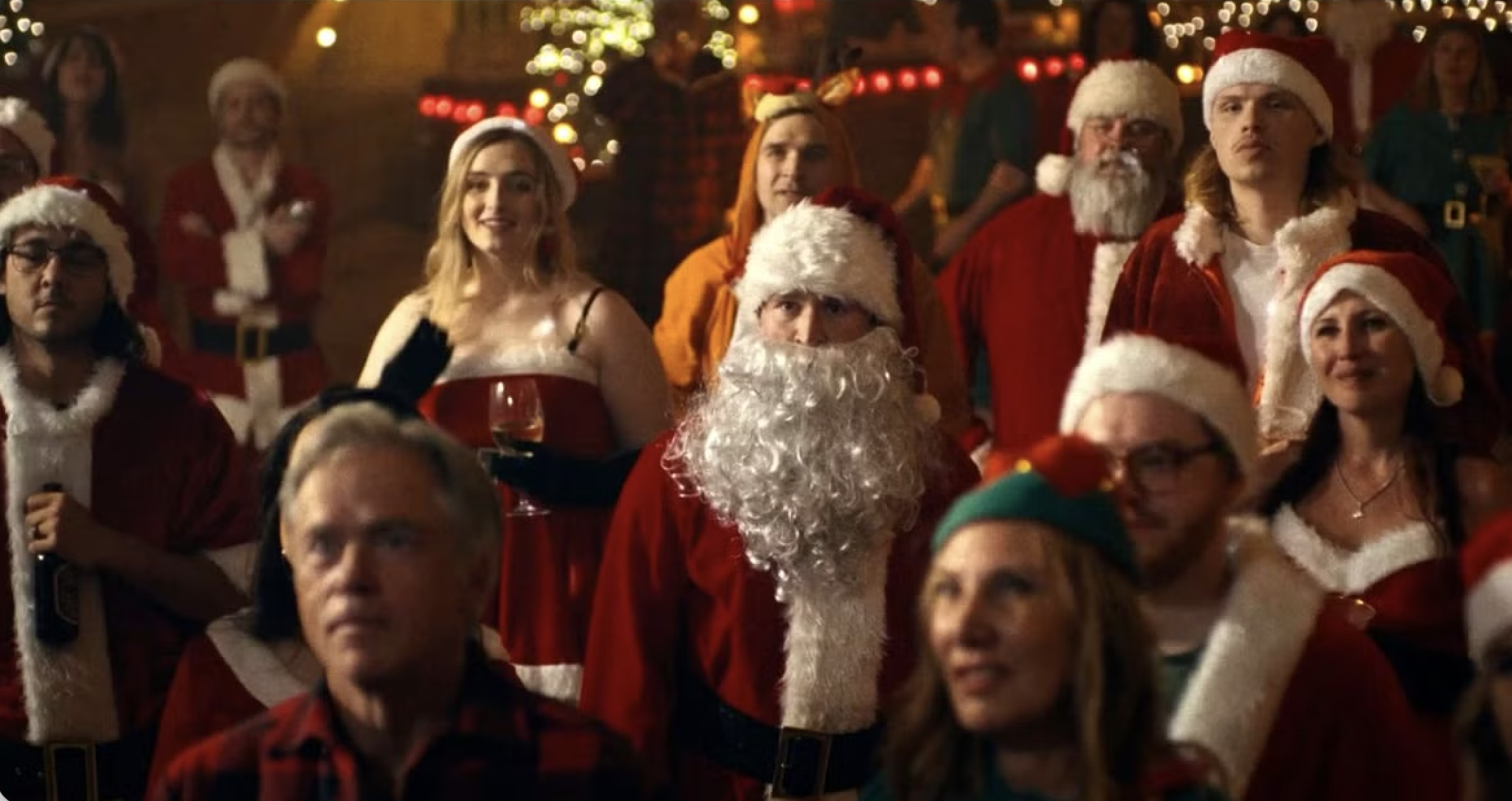
I didn't know they were doing the remake, and it was literally a month after that midnight screening that the script came. I thought the original was such a good movie that I didn't know how you could really touch it. Then, I read the script, and I just thought Mike gave it a lot of heart and the way he opened the can of psychology behind Billy interested me as an actor. But then, the conflict of all the situations was so much fun and there was so much humour in it that I thought I'd love to be a part of this, just based off the audience experience [at that midnight screening]. And if we do it right, what that room will feel like in those moments, for example, the Christmas party or that hook at the end of the movie. With the things that Mike put in there, what we're really expanding on is the setup to those original payoffs and those wacky right and left turns that you're wondering where it's going. Mike has given it a bigger stage for that setup and for those punch lines. I thought he'd done such a beautiful job with it, I just had to do it.
Picking up on your earlier point about being surprised by the camaraderie a film inspires, how do you look back on the experience of making SILENT NIGHT, DEADLY NIGHT? And do you leave a part of yourself behind?
RC - There's something very big in the human experience that coming together to tell a story has always been a part of our existence. And to be able to go and do that in a group soothes a part of the brain that you don't normally get to scratch, especially when everyone's there pretending this is all real, and it's like the most visceral version of getting to tell a story.
As far as leaving a part of yourself behind, you always do. You can't help it. You've spent so much energy that you've literally left it in the room. Hopefully, it all sticks to the walls if it's really working, and so, yeah, that's a real thing. If you're doing it right, it's like you're always leaving a little piece of yourself behind and also leaving with a whole other side of yourself reenergised, which is great.
Paul Risker